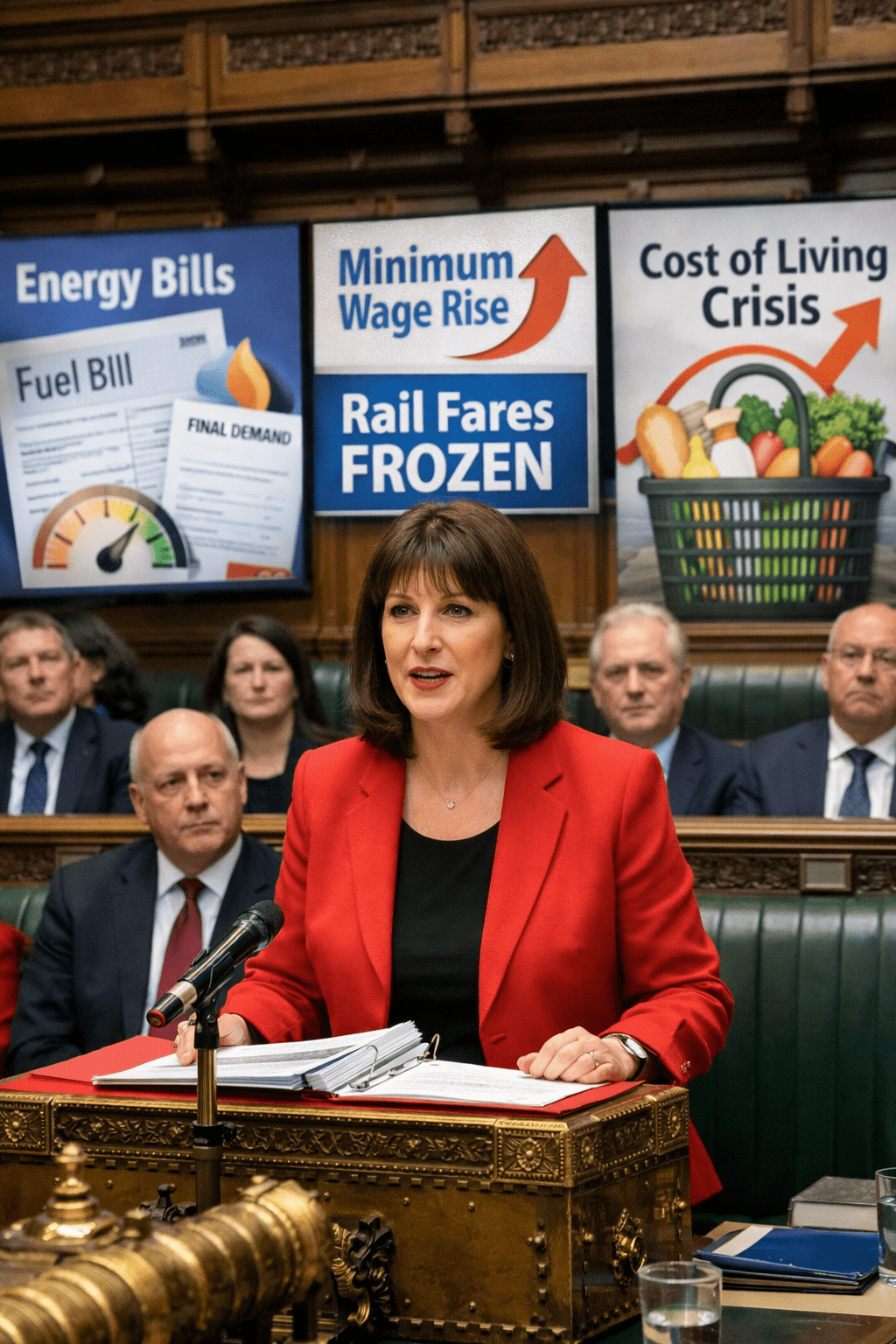
Chancellor Rachel Reeves has framed the November 2025 UK budget as a crucial effort to both tackle the UK’s deepening cost-of-living crisis and stabilise the country’s public finances in what many see as a pivotal moment for the Labour government. After ditching plans for a headline income tax rise because of stronger-than-expected wage growth, Reeves is instead set to raise at least £20 billion through a package of smaller tax increases such as extended freezes in income tax thresholds, limitations on salary sacrifice schemes, a new gambling tax, pay-per-mile charges for electric vehicles and a property levy on high-value homes.
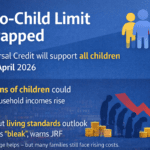
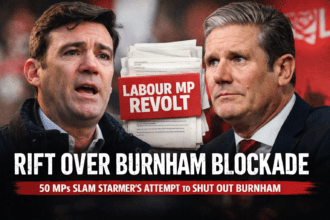
In her budget plans, Reeves is expected to announce a rise in the national living wage and minimum wage, the first freeze in rail fares in decades, cuts to green levies on energy bills and the abolition of the controversial two-child benefit cap — all measures aimed at reducing everyday costs for households. However, the lead-up to the budget has been turbulent, with leaks and speculation provoking dissatisfaction among some Labour MPs, who are uneasy about policy trade-offs and the party’s direction.
Despite insisting there will be no return to austerity, Reeves has also pencilled in significant departmental spending cuts later in the parliamentary term, which could affect local government and other non-protected public services. Economists have warned that some of these planned savings may be optimistic and difficult to deliver, adding further pressure on the government as it seeks to balance economic ambitions with political realities.