People in England are set to gain earlier access to mental-health support through a major expansion of neighbourhood services. The government says up to 159 NHS mental-health centres will open from autumn 2026, backed by £343 million.
What is being introduced?
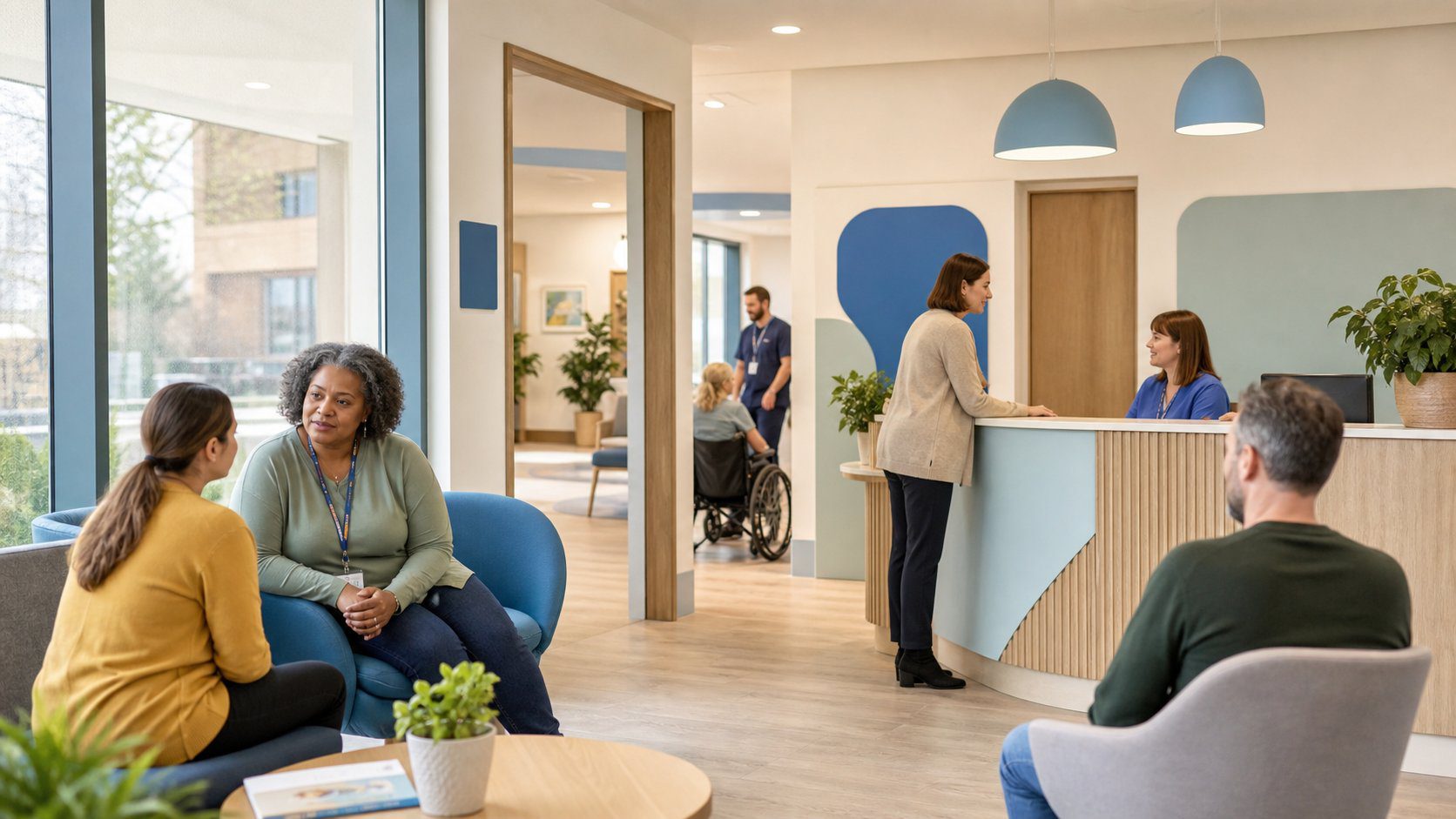
The centres are intended to provide local assessment, treatment and crisis support outside busy hospital emergency departments. Six centres are already operating, including one in Sheffield, and the wider programme is designed to bring help closer to the communities that use it.
The central promise is simple: people should be able to receive support before their condition reaches crisis point. For patients who do need urgent help, dedicated mental-health emergency care should offer a more appropriate setting than a long wait in A&E.
Why community provision matters
Mental-health services have often been split between GP care, specialist NHS teams, emergency departments and voluntary organisations. That fragmentation can make it difficult for patients and families to know where to turn. Neighbourhood centres could provide a clearer front door, but their success will depend on staffing, opening hours and effective links with existing services.
The programme also points towards a broader definition of mental-health policy. The forthcoming national strategy is expected to examine the role of schools, employers, councils and voluntary groups alongside the NHS. That matters because housing insecurity, financial pressure, isolation and poor working conditions can all contribute to declining mental wellbeing.
What should local residents watch for?
- Where the new centres will be located and which communities they will serve.
- Whether they offer walk-in help, booked appointments or both.
- How quickly people can access specialist assessment and crisis support.
- Whether local NHS bodies recruit enough qualified staff to deliver the promised capacity.
- How services work with GPs, schools, social care and charities.
The unanswered questions
Buildings alone will not remove waiting lists. The practical test will be whether the programme produces sustained clinical capacity and smoother referrals rather than simply moving pressure from one part of the system to another. Transparent local data on access, outcomes and staffing will be essential.
For now, the announcement represents a significant shift towards prevention and neighbourhood care. Patients should look for local implementation details from their integrated care board and NHS trust as the first new centres begin opening.
Source: Department of Health and Social Care, 5 August 2026.