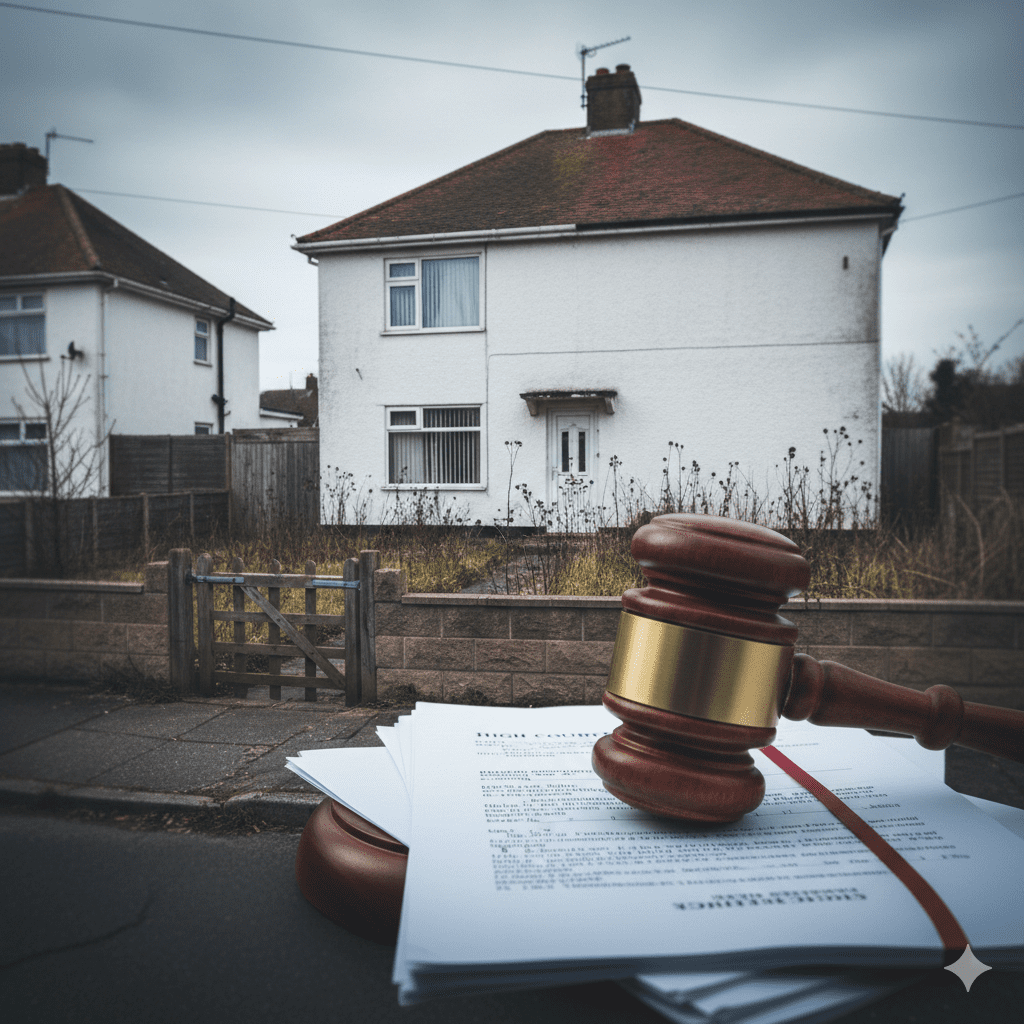
An investigation has exposed how Great Minds Together (GMT) collected £12 million in public money while operating unregistered homes—including one where a child was found sleeping on a floor.
A major investigation by The Bureau of Investigative Journalism (TBIJ) has sent shockwaves through the UK education and social care sectors. The report reveals a pattern of safeguarding failures, “phoenix” company manoeuvres, and eye-watering costs associated with Great Minds Together (GMT) and its successor, Thriving Futures (GMT) Ltd.
The Oldham Inspection: A “Dilapidated” Reality
The scandal broke following an Ofsted visit to a GMT-run bungalow in Oldham. Inspectors discovered a vulnerable child living in a “dilapidated and unsafe” environment, sleeping on a mattress on the floor with almost no other furniture in the house.
Ofsted found that staff were not properly trained, had used unnecessary physical restraints, and that an unvetted director was involved in day-to-day care. Following these findings, Ofsted suspended GMT’s registration, labeling the failures as “serious and widespread.”
The “Phoenix” Manoeuvre
Within two weeks of the Ofsted suspension in July 2025, GMT went into administration, owing £820,000 to HMRC. However, the business did not disappear. It was immediately sold to a new company, Thriving Futures (GMT) Ltd, owned by the same CEO, Emma Mander. This allowed the operation to continue collecting public money and housing children under a new banner while shedding its massive tax debt.
Council Watch: Follow the Money
Despite the “not-for-profit” image often projected by the organization, the financial scale of the operation is vast. Between 2023 and 2025, North West councils paid Mander’s companies a combined £12.1 million.
- Tameside Council (£5.9m): Tameside initially denied using illegal homes but later admitted to 28 unregistered placements after being confronted with spending data.
- Manchester City Council (£3.3m): Manchester admitted they are still using Thriving Futures today, claiming they have “no other choice” due to a lack of registered beds.
- Knowsley Council (£2.8m): Payments were justified as being for “exceptional circumstances.”
Emma Mander: The Face of the Operation
CEO Emma Mander has defended the costs and the use of unregistered homes, calling them a “lifeline” for children who have “fallen through the gaps.” Mander has been a vocal critic of the regulatory system, stating she would “never work with Ofsted” again, describing their framework as too “rigid” for the reality of complex care.
However, internal records show that while the system was in crisis, Mander and other directors received nearly £330,000 in dividends in 2023 alone.
A National Crisis
This investigation highlights a broader UK crisis. Children’s Commissioner Rachel de Souza recently revealed that councils spent £353 million on illegal placements in the last year, with some individual children costing over £1 million per year to house.
As the government promises reform, the GMT scandal serves as a stark reminder of the “grey market” in children’s social care, where millions in taxpayer funds are funnelled into unregulated, high-cost settings.
Quick Analysis: Why This Matters for SEND Families
Many children placed in these homes have complex SEND requirements, including autism and SEMH (Social, Emotional, and Mental Health) needs. When “crisis” becomes a business model, these children often lose the statutory protections that an Ofsted-registered environment is legally required to provide.
Safety Checklist: Is Your Child’s Placement Legal?
With the rise of “unregistered” placements, many parents are concerned that their children are being moved into settings that bypass standard legal protections. If your child is being placed in a residential setting, use this checklist to ensure they are safe and that the provider is operating within the law.
1. Verify Ofsted Registration
It is a criminal offence for a children’s home to provide care and accommodation without being registered with Ofsted.
- Action: Ask for the provider’s Ofsted Unique Reference Number (URN).
- Check: Visit the Ofsted Reports Website and enter the URN. If the home does not appear or is listed as “Closed” or “Suspended,” it is an illegal placement.
2. Distinguish Between “Unregulated” and “Unregistered”
These terms sound similar but have massive legal differences:
- Unregulated: Legal for young people aged 16 and 17 only. These are “supported living” settings where care is not provided, only support (e.g., help with budgeting).
- Unregistered: Illegal for any child under 18. These are settings providing care (daily supervision, medical support, physical interventions) that have failed or refused to register as a children’s home.
3. Review the Staff Vetting (DBS)
In unregistered homes, staff may not have undergone the rigorous “Safer Recruitment” checks required by law.
- Action: Ask the Local Authority for a written guarantee that every adult in the building has an Enhanced DBS check with barred list checks.
- The “Director” Rule: As seen in the GMT scandal, ensure that company directors and “consultants” are also vetted if they have any contact with your child.
4. Question the Cost vs. Care
If the Local Authority is paying an “emergency rate” (often £10k–£30k per week), this is a red flag that the placement is an emergency unregistered “grey market” provider.
- Action: Ask for the Placement Plan. This document should detail exactly how the high weekly fee is being spent on your child’s specific SEND or therapeutic needs.
5. Check the EHCP Alignment
For children with SEND, the placement must be able to deliver the provision outlined in Section F of their Education, Health, and Care Plan (EHCP).
- Action: If the home says they cannot provide the specific therapy or 1:1 support listed in the EHCP because they “aren’t set up for it yet,” the placement is likely unsuitable and potentially illegal.
What to do if you suspect a home is illegal
- Contact the Social Worker: Put your concerns in writing, specifically mentioning that “unregistered provision for a child under 18 is a criminal offence under the Care Standards Act 2000.”
- Notify the Children’s Commissioner: You can contact “Help at Hand” (the Commissioner’s advice service for children in care) at 0800 528 0731.
- Whistleblow to Ofsted: If you believe a company is operating an illegal home, you can report it directly to Ofsted’s “unregistered homes” team.